Concrete Sealing 101: Everything You Need to Know
Concrete is one of the most widely used building materials in the world, known for its durability, versatility, and ability to withstand extreme conditions. Yet even the strongest concrete is not immune to wear, weather, staining, and deterioration over time. As homeowners, business owners, and property managers increasingly look for ways to protect their investments, concrete sealing has become an essential part of long-term surface preservation. Whether it’s a driveway, patio, pool deck, garage floor, or commercial walkway, sealing your concrete can significantly extend its lifespan, improve its appearance, and reduce ongoing maintenance costs.
The growing demand for low-maintenance, long-lasting exterior surfaces has made concrete sealing a highly relevant and valuable service in the property maintenance industry. As environmental conditions grow harsher and usage demands increase, unprotected concrete faces a higher risk of cracking, erosion, discoloration, and moisture damage. Understanding how sealing works, its benefits, and the right strategies for different concrete types empowers property owners to make informed decisions. This comprehensive guide breaks down everything you need to know about concrete sealing—what it is, why it matters, how it’s applied, and how to choose the right products—to ensure your surfaces stay protected, attractive, and structurally sound for years.
Understanding Concrete Sealing
What Concrete Sealing Really Means
Concrete sealing is the process of applying a protective coating over concrete surfaces to reduce moisture absorption, repel stains, prevent deterioration, and enhance the material’s overall longevity. Sealers act as a barrier between concrete and external elements, helping to preserve both appearance and structural integrity while ensuring surfaces remain durable for many years ahead.
Why Concrete Needs Protection
Even though concrete is strong, it remains porous. Water, chemicals, salts, and oils can penetrate its surface, causing internal damage over time. Sealing addresses this vulnerability by minimizing porosity and slowing the weathering process to maintain overall durability and structural strength in changing conditions.
Types of Surfaces That Benefit From Sealing
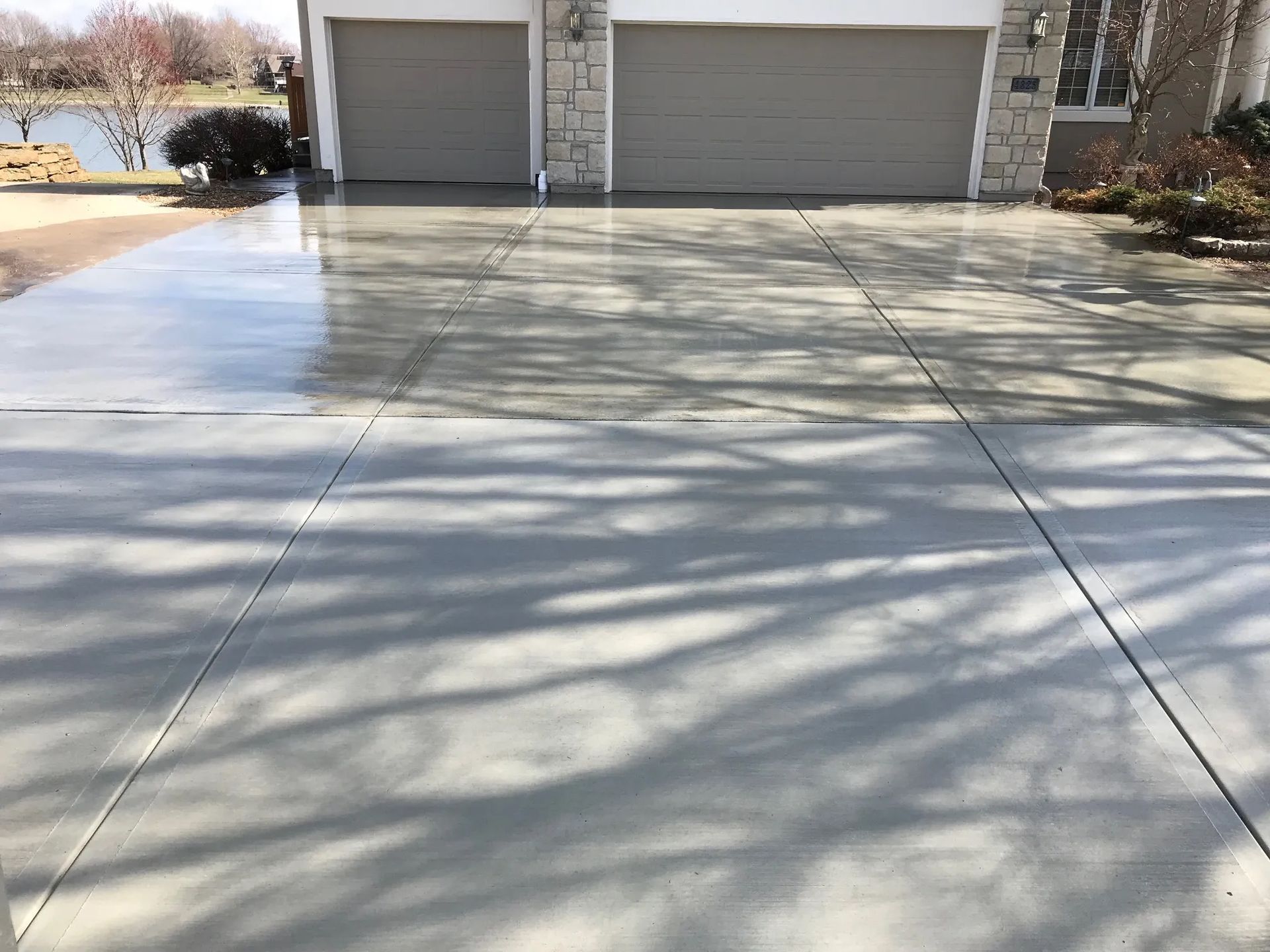
Driveways, patios, sidewalks, garages, pool decks, basements, and decorative concrete installations greatly benefit from sealing. Whether indoor or outdoor, any surface exposed to moisture, traffic, or staining risks should be sealed regularly to maintain long-term performance, cleanliness, and consistent visual appeal throughout seasons.
Types of Concrete Sealers
Penetrating Sealers
Penetrating sealers absorb into the concrete to create a chemical barrier that protects from within. They are ideal for driveways, walkways, and surfaces exposed to heavy weather. These sealers allow concrete to breathe and offer long-lasting protection against water and salt intrusion while maintaining the natural finish that many property owners prefer.
Acrylic Sealers
Acrylic sealers are popular for decorative concrete. They enhance color, add shine, and form a thin protective film. Homeowners often choose acrylics for stamped patios, colored concrete, or interior floors where aesthetics matter and a polished, attractive appearance is consistently desired year-round.
Epoxy and Polyurethane Sealers
These sealers create thick, durable coatings and are ideal for garages, industrial floors, and high-traffic areas. They provide excellent chemical resistance and a glossy finish but require precise application and surface preparation to achieve reliable, long-term protection in demanding environments.
Key Benefits of Concrete Sealing
Extends Surface Lifespan
Sealed concrete resists moisture penetration, freeze–thaw damage, cracking, and erosion. This significantly extends its life, reducing the need for early replacement or repair and ensuring your investment remains secure for many future years.
Prevents Stains and Discoloration
Oil, chemicals, dirt, and organic materials can stain concrete permanently. Sealers act as a protective shield, helping prevent discoloration and making clean-up much easier while maintaining the concrete’s appearance even under heavy routine use.
Improves Safety and Functionality
Sealed surfaces are easier to maintain, resist mold growth, and can be treated with non-slip additives. This is especially valuable for pool decks, garages, and commercial walkways where safety is a priority and reliable traction matters for everyday property usage.
How Concrete Sealing Works
Surface Cleaning and Preparation
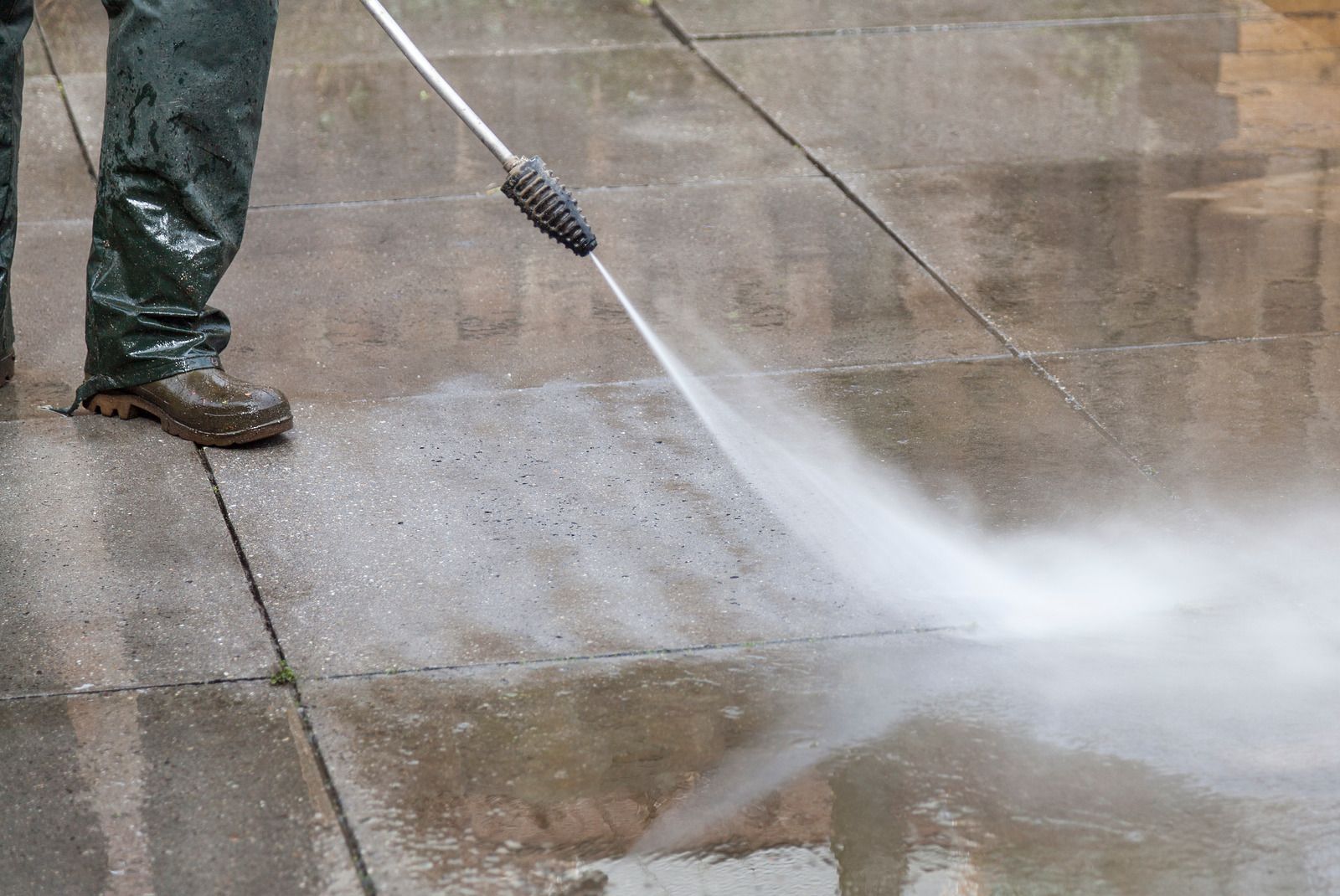
Before sealing, the concrete must be thoroughly cleaned. Dirt, oil, mildew, and debris must be removed to ensure proper adhesion. Pressure washing and degreasers are commonly used in preparation to ensure every surface is fully ready for high-quality sealing.
Choosing the Right Sealer
Selecting the correct sealer depends on surface type, climate, usage, and desired appearance. For example, penetrating sealers work best for outdoor exposure, while epoxy sealers perform well in garages and indoor spaces where durability, protection, and long-term visual quality are essential.
Application Techniques
Sealers can be applied using rollers, sprayers, or brushes. Several thin coats usually yield better results than a single thick coat. The drying time varies by product but generally ranges from a few hours to a full day ensuring the surface cures properly for maximum long-term performance.
When and How Often to Seal Concrete
Ideal Timing After Installation
New concrete should generally cure for at least 28 days before sealing. This allows moisture to evaporate, ensuring the sealer bonds correctly to the surface and ultimately provides stronger protection throughout its intended lifespan.
Resealing Frequency
Penetrating sealers typically last 5–10 years, depending on exposure, while acrylic and epoxy sealers may need reapplication every 2–5 years. High-traffic areas may require more frequent maintenance to maintain consistent performance and prevent premature surface degradation.
Signs You Need to Reseal
Dull appearance, water absorption into the surface, increased staining, or visible wear indicate the need for resealing. Regular inspections help prevent damage from going unnoticed and ensure your concrete remains protected under all environmental conditions.
Common Challenges and Best Practices
Avoiding Improper Application
Applying too much sealer can lead to bubbling, peeling, or a hazy finish. Following manufacturer instructions and hiring professionals reduces these risks significantly and ensures the finished surface maintains a smooth, professionally sealed appearance.
Managing Weather Conditions
Temperature, humidity, and sunlight affect sealer performance. Applying sealers during extremely hot, cold, or wet conditions can compromise the finish. Mild, dry weather is ideal for ensuring optimal curing conditions and achieving reliable protective results.
Maintaining Sealed Concrete
Proper maintenance includes routine cleaning, avoiding harsh chemicals, and resealing when necessary. These steps keep the concrete looking fresh and performing well over time while helping homeowners avoid costly future repairs or premature surface replacement.
Choosing the Right Sealing Schedule
Impact of Climate on Sealing Timing
Different climates affect how often concrete should be sealed. Hot, dry regions increase surface wear, while freeze–thaw zones accelerate cracking risks, making consistent sealing more important for long-term performance.
Traffic Levels and Usage Demands
Driveways, walkways, garages, and commercial spaces experience heavy foot or vehicle traffic that wears down sealers faster. High-use areas benefit from shorter resealing cycles to maintain adequate protection.
Surface Type and Material Condition
Stamped concrete, smooth slabs, colored overlays, and exposed aggregate all age differently. Evaluating surface material and current condition helps determine the correct sealing frequency to prevent premature deterioration.
Cost Considerations and Value of Sealing
Upfront Costs Compared to Long-Term Savings
While sealing requires an initial investment, it prevents costly structural repairs, resurfacing, staining issues, and premature replacement—offering significantly more value over the life of your concrete surfaces.
Product Quality and Professional Application Costs
Higher-quality sealers and trained professionals may cost more upfront, but their results last longer, perform better, and reduce the need for frequent applications, making them more economical overall.
Avoiding Hidden Costs From Neglect
Ignoring sealing can lead to cracks, spalling, discoloration, and water damage. These issues often require costly repairs that far exceed the price of regular sealing and preventative maintenance.
Concrete sealing plays a vital role in protecting and prolonging the life of your surfaces. From preventing structural damage to maintaining the aesthetic appeal of driveways, patios, walkways, and floors, sealing provides both immediate and long-term advantages. With the right type of sealer and proper application, property owners can significantly reduce maintenance costs, minimize risks of deterioration, and ensure their concrete remains strong and visually appealing. Understanding how sealers work, when to use them, and what to expect from the process empowers you to make informed decisions and get the most value from your investment. Concrete may be durable on its own, but sealing enhances its resilience, safeguarding it from the environmental and functional stresses it faces daily.
Preserve Your Concrete With Professional-Grade Sealing Solutions
For property owners seeking reliable, high-quality concrete sealing services, partnering with a knowledgeable and experienced professional team makes all the difference. Monsoon Cleaning LLC has spent 15 years serving the community of Oro Valley, Arizona with a strong commitment to excellence and long-term surface protection. The company understands the unique challenges presented by Arizona’s climate—intense sun exposure, heat, and dust—and applies proven sealing techniques designed to withstand these harsh conditions. Their expertise ensures that each surface, whether residential or commercial, receives the right sealer, proper preparation, and meticulous application for maximum durability.
With a reputation built on trust, transparency, and consistent results, we continue to be a leader in concrete care and maintenance throughout Oro Valley. Their team takes pride in educating clients, offering tailored solutions, and delivering workmanship that stands the test of time. For anyone looking to protect and enhance their concrete surfaces, Monsoon Cleaning LLC
remains a dependable choice backed by years of hands-on experience and a strong dedication to customer satisfaction.