Cold Water Pressure Washing: The Gentle Yet Effective Cleaning Solution
Cold water pressure washing has become one of the most versatile and widely used cleaning methods in both residential and commercial maintenance. As property owners search for cost-effective and efficient ways to maintain surfaces without causing damage, cold water systems continue to stand out. They offer strong cleaning capabilities without the added energy requirements of heating systems, making them a practical option for routine upkeep. With the rise of environmentally responsible cleaning and the demand for solutions that preserve material integrity, cold water pressure washing has solidified its place as a trusted technique in the cleaning industry. It delivers impressive results while remaining gentle on surfaces that may not withstand the intensity of hot water cleaning.
Unlike many harsh cleaning practices that risk harming substrates, cold water pressure washing focuses on safe yet effective performance. It lifts dirt, grime, mold, and surface-level contaminants with pinpoint accuracy. From driveways and fences to building exteriors, cold water systems offer cleaning without compromising structural longevity. Today’s modern pressure washers are engineered with adjustable settings, making them adaptable to various materials and project requirements. Whether used for preventive maintenance or routine exterior cleaning, this method provides a dependable balance between power and protection—making it a go-to solution for professionals and property owners alike.
Understanding Cold Water Pressure Washing
How Cold Water Systems Work
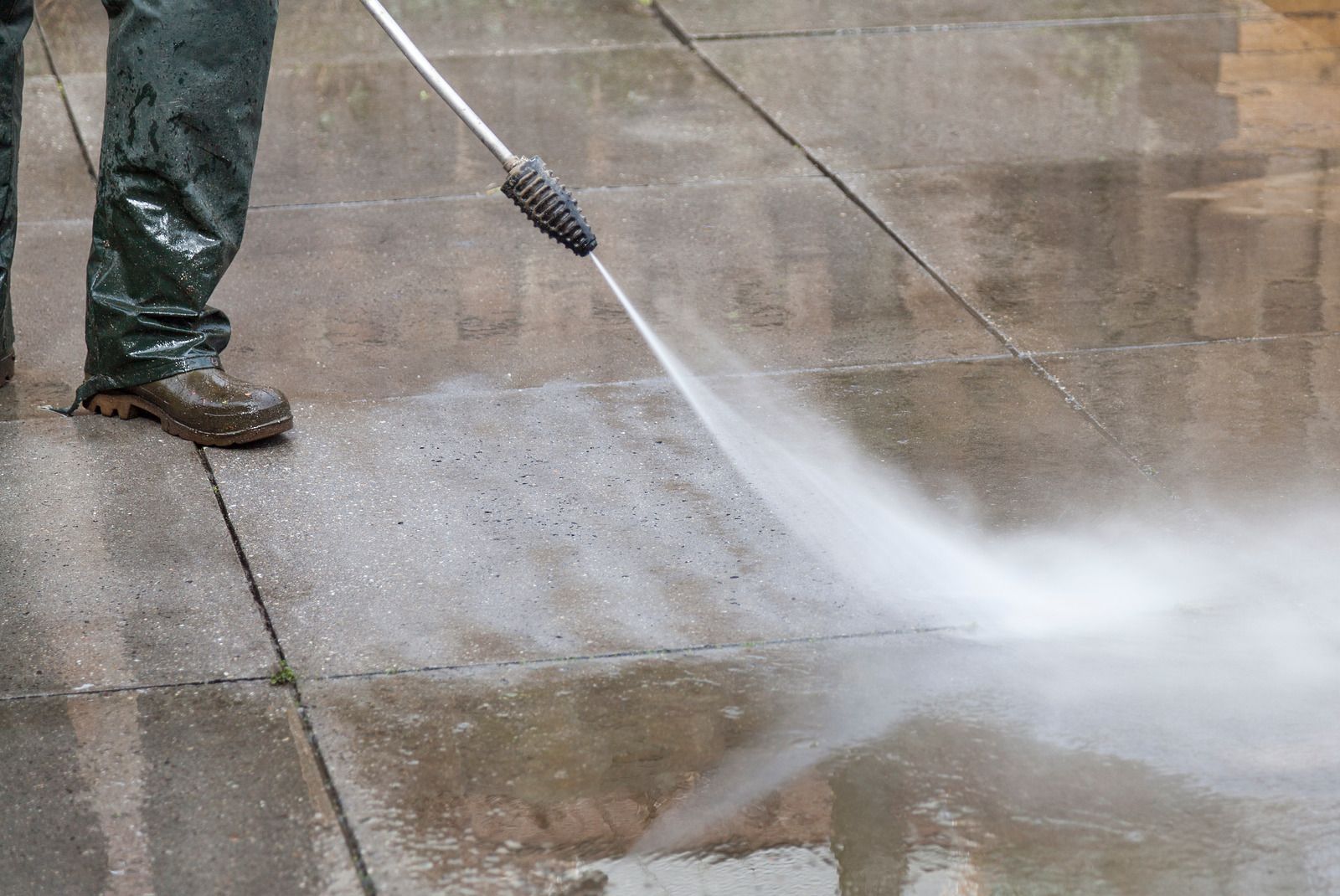
Cold water pressure washing relies on water pressure alone to break apart dirt, grime, and surface debris. Instead of relying on heat to soften materials, the force generated by the pump and nozzle does the heavy lifting. This makes cold water systems ideal for cleaning jobs where heat may cause damage or unnecessary wear, such as wood, paint, or vinyl surfaces. The water is delivered at high pressure, allowing for thorough cleaning using mechanical force rather than temperature.
Where Cold Water Pressure Washing Excels
Cold water cleaning is effective for general maintenance tasks, including removing mud, dust, pollen, mildew on non-porous surfaces, and loose contaminants that have not been deeply embedded. It shines in environments where quick, frequent cleaning is necessary—such as outdoor patios, light commercial surfaces, and equipment rinsing. For many properties, this method delivers more than enough power without requiring hot water’s higher temperature.
Cold vs. Hot Water: Key Differences
While hot water excels at cutting through grease and oil, cold water is often the better match for delicate or temperature-sensitive surfaces. Because cold water systems do not require heating mechanisms, they are more economical to operate and maintain. This distinction helps homeowners and facility managers make more informed decisions about the level of cleaning required for their specific needs.
Benefits of Cold Water Pressure Washing
Cost-Effective Without Sacrificing Quality
One of the most significant advantages of cold water pressure washing is its affordability. With fewer mechanical components and no heating elements, these systems cost less to operate and require minimal maintenance. This helps keep long-term cleaning budgets in check without compromising the quality of results.
Gentle on a Wide Range of Surfaces
Cold water systems are excellent for materials that can warp, crack, or blister under high heat. For example, wooden decks, vinyl siding, painted surfaces, and outdoor furniture benefit greatly from a cooler approach. The pressure still delivers thorough cleaning, but without the thermal expansion or heat-induced stress that could cause deterioration.
Environmentally Friendly Cleaning Option
Because cold water pressure washing often eliminates the need for heavy chemical use, it supports more eco-conscious cleaning practices. Many contaminants can be removed using pressure alone, minimizing chemical runoff and reducing environmental impact. This makes cold water systems an appealing choice for homes and businesses striving for sustainable operations.
Versatility for Routine Maintenance
Cold water pressure washers can be used frequently without risk of overheating surfaces. This makes them ideal for routine upkeep such as rinsing patios, cleaning outdoor walkways, and maintaining the exterior of buildings. Their adaptability makes them one of the most user-friendly tools in the exterior cleaning industry.
Best Use Cases for Cold Water Pressure Washing
Residential Applications
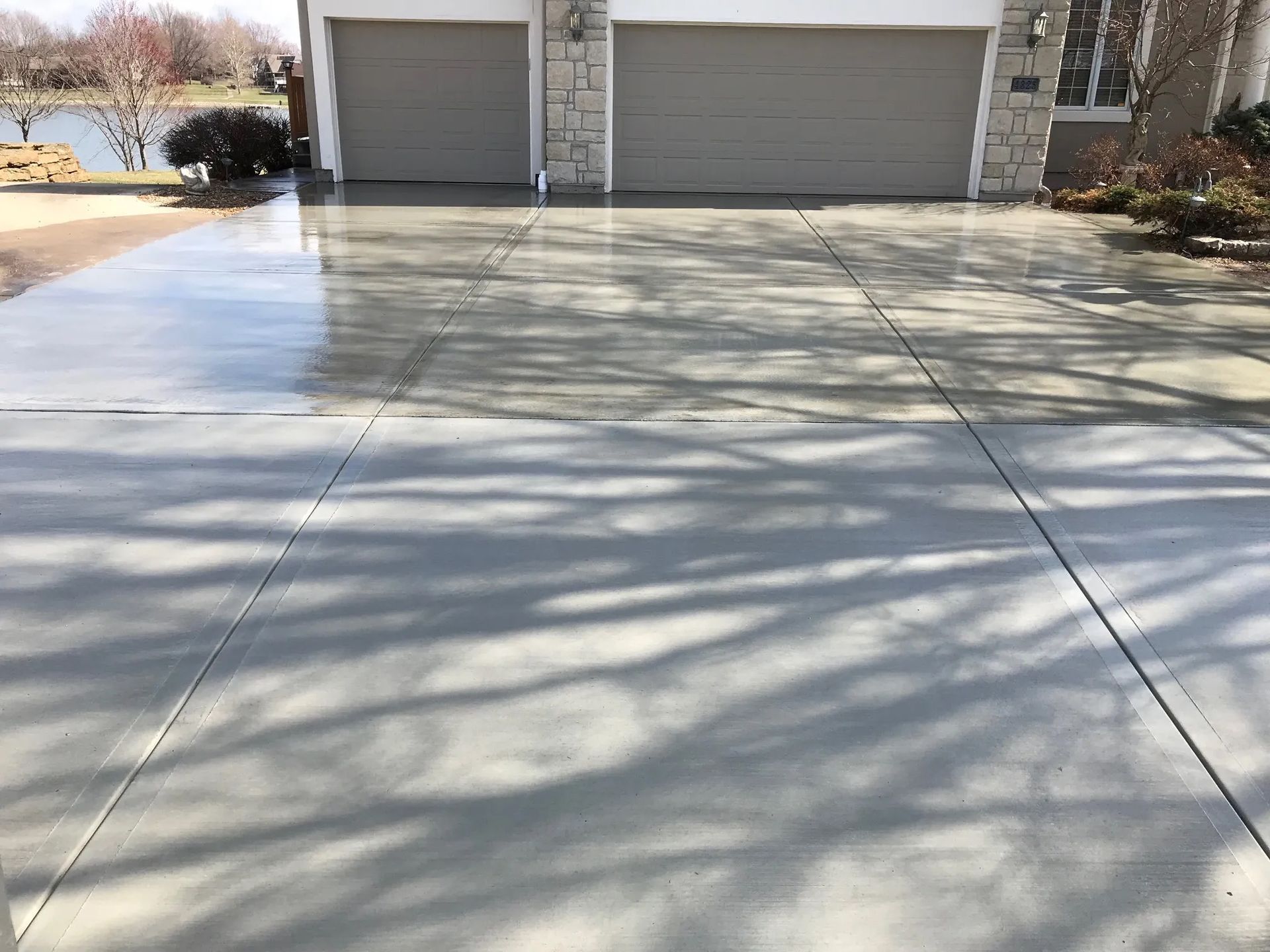
In residential environments, cold water pressure washing is perfect for driveways, sidewalks, fences, patios, and home exteriors. For instance, removing seasonal buildup like pollen, dust, or surface mold becomes much simpler with a cold water system. Homeowners often choose this method when the goal is to refresh surface appearance without aggressive cleaning techniques.
Commercial and Industrial Settings
Commercial locations benefit greatly from cold water pressure washing for tasks like cleaning storefronts, parking lots, loading areas, and equipment exteriors. Facilities that deal primarily with dust, dirt, and general grime—rather than stubborn oils or industrial grease—find cold water solutions both sufficient and cost-effective.
Vehicle and Equipment Cleaning
Cold water is preferred for washing vehicles, lawn equipment, machinery housing, and construction tools. The cooler temperature helps prevent damage to rubber, paint, and delicate mechanical components. It offers a safe approach for removing mud, clay, and light contaminants from equipment without wearing down protective coatings.
Real-World Scenario
Consider a homeowner whose wooden deck is covered in dirt and mildew after monsoon season. Using hot water could cause warping or strip stains prematurely. Instead, a cold water pressure washing service restores the wood’s appearance safely, removing buildup without compromising the deck’s structural integrity. This scenario highlights why many professionals favor cold water systems for wood, vinyl, and painted surfaces.
Techniques and Best Practices for Effective Cold Water Pressure Washing
Choosing the Right Pressure Settings
Not all surfaces can withstand the same level of pressure. For example, concrete can tolerate higher PSI, while painted siding requires gentler settings. Professionals recommend starting with the lowest pressure and gradually increasing it until the ideal cleaning level is reached. This prevents accidental etching or stripping of surfaces.
Using Proper Nozzles
Nozzle choice significantly influences cleaning efficiency. A 25-degree or 40-degree nozzle provides a wider spray pattern suitable for delicate areas, while a narrower 15-degree nozzle targets tougher spots. Selecting the correct nozzle ensures optimal results without damaging substrates.
Pre-Treatment for Enhanced Cleaning
While cold water alone handles most tasks, pre-treating surfaces with biodegradable cleaners can improve results for areas with mild grease or organic growth. The combination of proper detergents and cold water pressure often delivers the perfect balance between safety, cost efficiency, and cleanliness.
Safe Cleaning Practices
Safety is crucial when operating any pressure washer. Maintaining appropriate distance, avoiding electrical fixtures, and using protective gear are essential practices. Professionals also recommend testing a small, inconspicuous area before cleaning the entire surface to ensure compatibility and prevent mishaps.
Challenges and Limitations of Cold Water Pressure Washing
Limited Effectiveness on Heavy Grease
Cold water is not ideal for oily surfaces, industrial grease, or stubborn stains that require heat to break down. In restaurants, automotive shops, or heavy-duty industrial environments, a hot water pressure washer may be required for complete cleaning.
More Time-Intensive for Deep Cleaning
Because cold water relies solely on pressure, some jobs may take longer compared to hot water systems. For deeply embedded dirt or thick organic buildup, additional passes or pre-treatment may be necessary.
Not Suitable for Certain Specialized Tasks
Tasks like sanitation for commercial kitchens, removal of oily residues, and high-level decontamination often demand hot water or steam. Cold water systems, however powerful, are not designed for these specialized applications.
How Professionals Overcome These Challenges
Experienced technicians use a mix of pressure settings, detergents, and methodical cleaning patterns to maximize cold water efficiency. Their understanding of surface type and material sensitivity enables them to deliver superior results even in more demanding scenarios.
Why Cold Water Pressure Washing Remains a Reliable Solution
Long-Term Value
Cold water pressure washing provides long-term cost savings by lowering operational expenses and reducing surface wear. Since the method is gentle yet effective, it supports the longevity of exterior materials.
Widely Accessible Technology
Cold water pressure washers are more affordable and easier to maintain, making them common in both household and professional cleaning equipment. Their simplicity also translates to fewer repair issues and consistent performance over time.
Professional Insights and Industry Perspective
Industry professionals appreciate cold water systems for their ability to deliver impressive results without excessive risk. Their balanced performance aligns perfectly with regular maintenance schedules, making them a backbone in many cleaning service operations.
Real-World Value Example
A small business with a high-traffic outdoor area may need weekly cleaning to maintain appeal. Using hot water each time would be costly and unnecessary. Cold water pressure washing allows the business to stay clean and presentable while keeping operating costs manageable.
Exploring The Lasting Advantages Of Cold Water Cleaning
For property owners seeking professional cold water pressure washing, choosing a service provider with proven expertise makes all the difference. This is where Monsoon Cleaning LLC, based in Oro Valley, Arizona, stands out. With 15 years of hands-on industry experience, the company brings a deep understanding of cleaning science, surface care, and pressure washing best practices. Their team is trained to assess each project carefully, select the right techniques, and apply the safest pressure settings to preserve the integrity of every surface they clean. From residential exteriors to commercial properties, they prioritize customer satisfaction, transparent communication, and long-lasting results. we combine industry knowledge with modern equipment to deliver reliable, consistent outcomes tailored to each client’s needs.
Their experience allows them to adapt cold water pressure washing to diverse environments, ensuring surfaces remain protected while achieving a refreshed, polished appearance. Property owners in Oro Valley and surrounding areas rely on them not only for superior cleaning solutions but also for guidance on maintaining surfaces throughout the year. With a strong reputation built on trust, professionalism, and proven performance, Monsoon Cleaning LLC
continues to be a top choice for dependable pressure washing services.