Common Surfaces That Benefit Most from Soft Washing Services
The Two Parts: Bodily Injury and Property Damage
Auto liability coverage generally comes in two parts, and knowing the difference clarifies what it covers.
Bodily injury liability
This part covers injuries you cause to other people in an at-fault accident, the other driver, their passengers, pedestrians. If you injure someone in an accident that's your fault, bodily injury liability responds to help cover the costs related to their injuries, up to your limits. It's the "harm to other people" side of liability.
Property damage liability
This part covers damage you cause to other people's property in an at-fault accident, most commonly their vehicle, but also things like fences, buildings, or other property you might hit. If you damage someone else's property, property damage liability helps cover that, up to your limits. It's the "harm to others' property" side.
Together, these two, bodily injury and property damage liability, cover the injuries and property damage you cause to others when you're at fault. Policies express these as limits (the maximum the coverage will pay), which is part of why understanding your specific coverage matters, but the what is consistent: liability covers others' injuries and others' property when the accident is your fault. That two-part structure is the heart of liability coverage.
Quick Answer: Soft washing does the most good on surfaces with something to protect: a painted or stucco finish, roofing granules and tile glaze, sun-dried wood, mesh screens and outdoor fabric, and mortar joints between block or brick. Each of those relies on a thin coating, a porous texture, or a filled joint that high-pressure water can crack, strip, or hollow out before the dirt is even gone. Cured concrete, most pavers, and other dense hardscape can usually take real pressure without that risk, though a soft wash still protects paver sand and colored concrete sealers. In Oro Valley and the greater Tucson area, hard water minerals, dust from open desert, algae on shaded north walls, and UV-baked buildup all push these surfaces toward needing attention sooner than a milder climate would, which is why choosing the right method matters as much as cleaning at all.
You just closed on a place in Oro Valley, and the previous owner left a gas pressure washer in the garage along with a note that says, more or less, "use this on everything, works great." The stucco has a gray haze creeping up from the base of the walls. The wood fence along the side yard has gone the color of driftwood. A dark streak runs down the tile roof from the chimney flashing. Monsoon season is a few weeks out, and the plan was to knock all of it out in a weekend before the rain starts pushing dust into every seam.
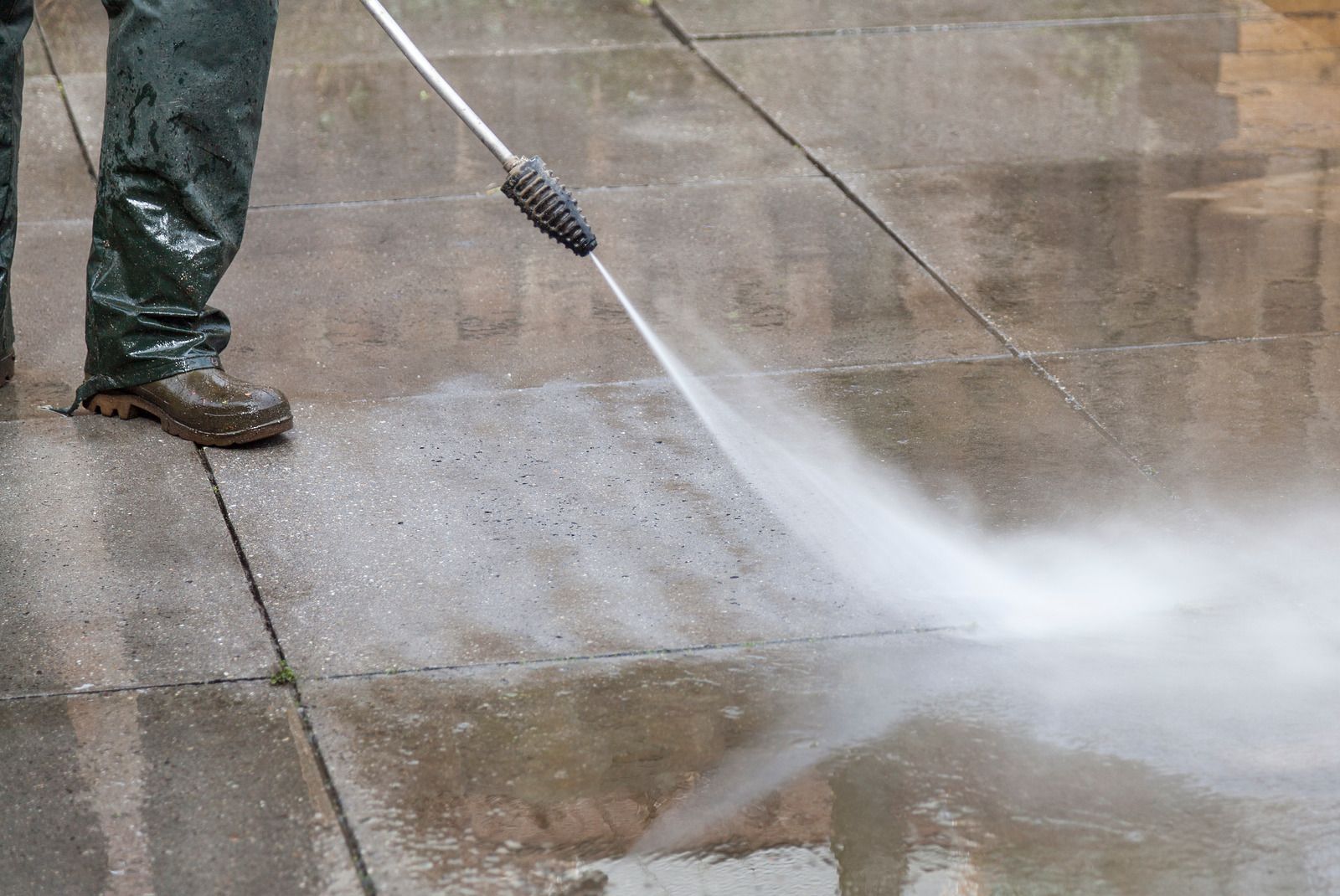
That plan works for exactly one type of surface on the property, and it is not most of them. A pressure washer set to cut through years of dust is strong enough to open a hairline crack in a stucco finish coat, blow the granules off a section of shingle, or strip a deck board down past the sealer in the time it takes to walk the wand from one end to the other. The surfaces below are the ones where a soft wash, not a pressure wash, is what actually gets them clean without creating a second problem in the process.
Why the Material Decides the Method, Not the Dirt
Every exterior surface looks like it needs the same thing: something to blast the grime off. What the surface is actually made of tells a different story. A soft wash pairs a cleaning solution formulated to break down algae, mildew, and mineral buildup with just enough water pressure to rinse the loosened residue away, usually somewhere in the range of a garden hose. A pressure wash relies on mechanical force alone, often several thousand PSI, to physically knock material off a surface.
That distinction matters most in a desert climate. Tucson and Oro Valley properties deal with mineral-heavy hard water that leaves chalky spots on siding and glass, fine dust that blows in ahead of monsoon storms and settles into every horizontal ledge and screen mesh, algae and mildew that take hold fastest on shaded, north-facing walls where moisture lingers longest, and UV exposure intense enough to bake paint, sealants, and rubber gaskets brittle years before they would fail in a cooler region. A surface already weakened by sun and mineral deposits has less margin left before high pressure turns a cleaning job into a repair job.
Stucco, Painted Masonry, and Coated Siding
Stucco is the default exterior finish on most Southern Arizona homes, and it is also one of the most pressure-sensitive surfaces a property owner will ever clean. The textured finish coat sits a fraction of an inch thick over a scratch coat and a moisture barrier, and it is doing two jobs at once: holding the color and keeping water out of the wall assembly behind it. Painted masonry and coated fiber cement siding carry a similarly thin film with the same two responsibilities.
Pressure strong enough to strip years of dust off in one pass is also strong enough to drive water past that finish coat at a seam, a control joint, or a hairline crack that was already there but invisible. Once moisture gets behind stucco, it does not evaporate the way surface water does, and the wall can stay damp for weeks, which is exactly the condition mildew needs to take hold. A soft wash breaks down the surface grime and organic growth chemically, then rinses it off at a pressure too low to force water anywhere it should not go.
Tip: Before booking a wash, run a hand across a shaded stretch of stucco or painted siding. A slightly chalky residue that rubs off on your palm is a normal sign of aging paint or a stucco finish nearing the end of its coating life, and it is worth mentioning to whoever does the wash, since older, more porous finishes usually need an even gentler touch than newer ones.
Roofing: Tile, Shingle, and Flat Membrane Systems
Roofing takes more sun, more dust, and more direct storm exposure than almost anything else on the property, and it shows. A streak running down from a valley or a vent stack is usually algae or windblown grime that has had months to set into the surface. The instinct is to treat it like a driveway and blast it clean from the ground or off a ladder.
Composition shingles are covered in mineral granules that are only loosely bonded to the asphalt layer beneath them, and those granules are what block UV light from breaking the shingle down. Direct pressure knocks them loose well before the dirt underneath lifts, and once a shingle has lost enough granule coverage, its remaining lifespan drops regardless of how clean it looks afterward. Concrete and clay tile can usually take more force than shingles, but the mortar and flashing details around vents, valleys, and chimneys cannot, and flat or foam roofing membranes can be punctured or delaminated at a seam by a stream that would barely register on concrete. Soft washing clears the same algae and staining through a rinse-grade cleaning solution instead of force, which is the only approach that does not put the roofing material's remaining service life at risk.
Wood Decks, Fences, and Pergolas
Desert lumber dries out faster and more completely than wood framing in a humid region, and dry wood fibers are more brittle and easier to tear loose than wood that has retained some moisture. A deck board, fence picket, or pergola beam that looks structurally solid can still shred at the surface under direct pressure, leaving behind a fuzzy, splintered texture where the wood used to be smooth. Once that happens, no amount of sanding or refinishing fully restores the original surface, and the wood is left more exposed to the next round of sun and moisture than it was before the wash.
Composite decking has its own version of the same problem: the cap layer that gives composite boards their color and weather resistance can scuff, gouge, or dull under pressure that a natural wood board would tolerate slightly better. Soft washing lifts the gray, weathered film and any mildew growing in shaded corners of a deck or under a pergola's shade pattern without touching the wood or composite fibers underneath, which matters even more on a structure that already gets more direct sun exposure in a Tucson backyard than it would almost anywhere else in the country.
Screens, Awnings, and Outdoor Fabric
Pool screens, patio awnings, shade sails, and outdoor upholstery rarely make anyone's first list of things to pressure wash, and for good reason: the materials involved are some of the least tolerant of direct force on the entire property. Fiberglass and aluminum screen mesh tears at pressures far below what a standard washer can put out, and canvas or acrylic awning fabric can lose its water-resistant coating or fray at the seams long before it visibly tears.
These surfaces build up grime fast in a desert environment, since fine dust rides the wind ahead of a monsoon cell and settles directly into the weave of a screen or the folds of an awning, and that same dust becomes a fertile surface for mildew once monsoon humidity moves through. A soft wash treats these surfaces the way a fabric cleaner would, breaking down the buildup at a pressure low enough that the mesh and fabric structure stay intact through the process.
Block and Masonry Walls With Mortar Joints
Retaining walls, perimeter block walls, and masonry planters are common across Oro Valley's sloped and terraced lots, and most of them are only as strong as the mortar holding the individual blocks or bricks together. Mortar is more porous than the block or brick itself, and it erodes gradually every time it gets wet, dries out, and gets wet again, a cycle that runs on repeat through every monsoon season.
Direct pressure aimed at a mortar joint accelerates that erosion far beyond what weather alone would cause, hollowing out the joint from the face inward in a matter of seconds. Once enough mortar is gone, the wall's structural stability is affected, not just its appearance. Soft washing removes the algae staining and mineral discoloration that build up on block walls without adding to the wear the mortar is already absorbing from the climate.
Surfaces That Usually Handle Real Pressure Well
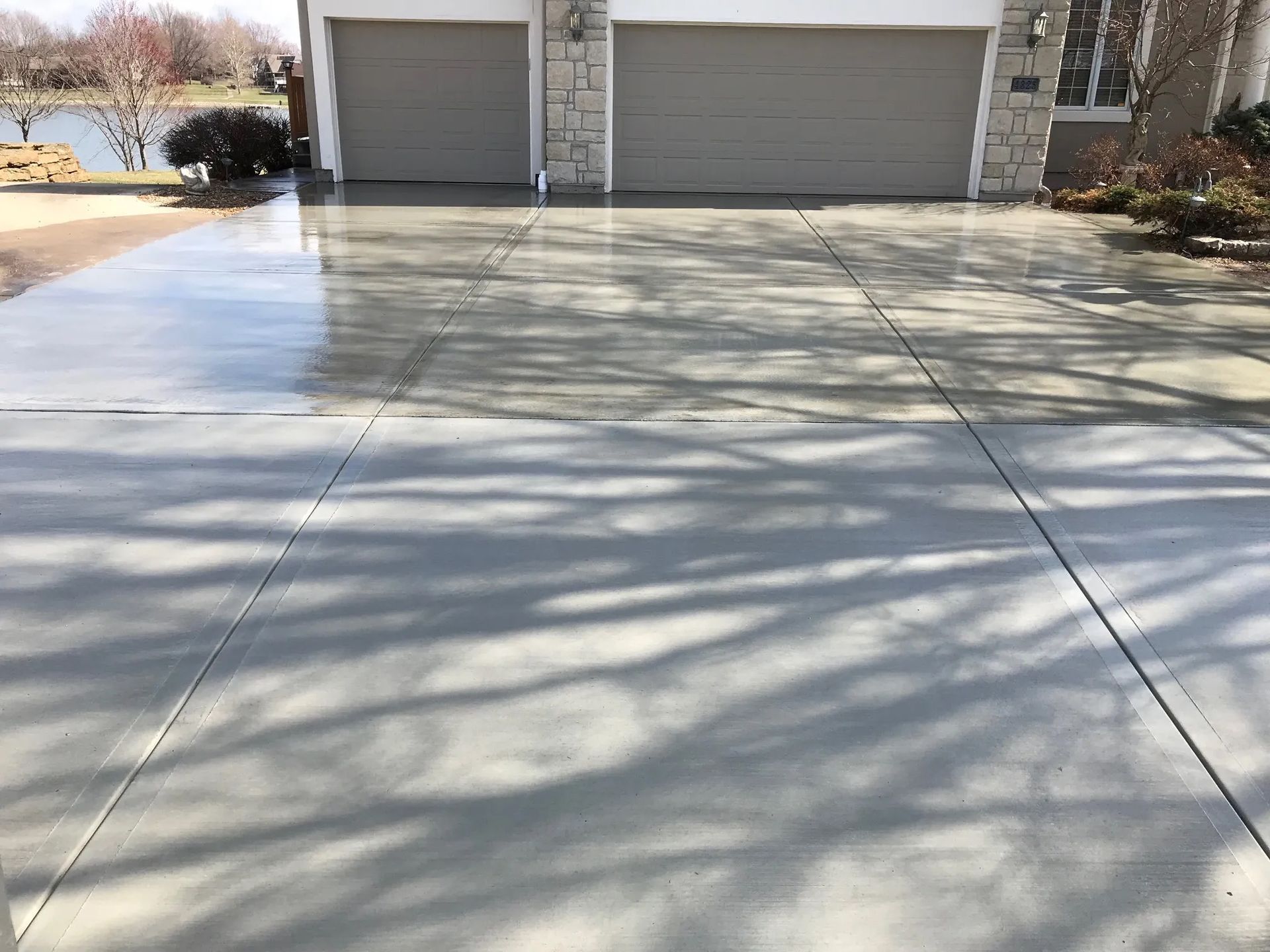
Not everything on a property needs to be treated this carefully, and knowing which surfaces can take direct force is just as useful as knowing which ones cannot. Cured, unjointed concrete, such as a driveway slab or a poured patio, is dense enough to shrug off pressure that would damage almost everything covered above, which makes it one of the few places where a straightforward pressure wash is usually the right tool. Plain broom-finished walkways fall into the same category..
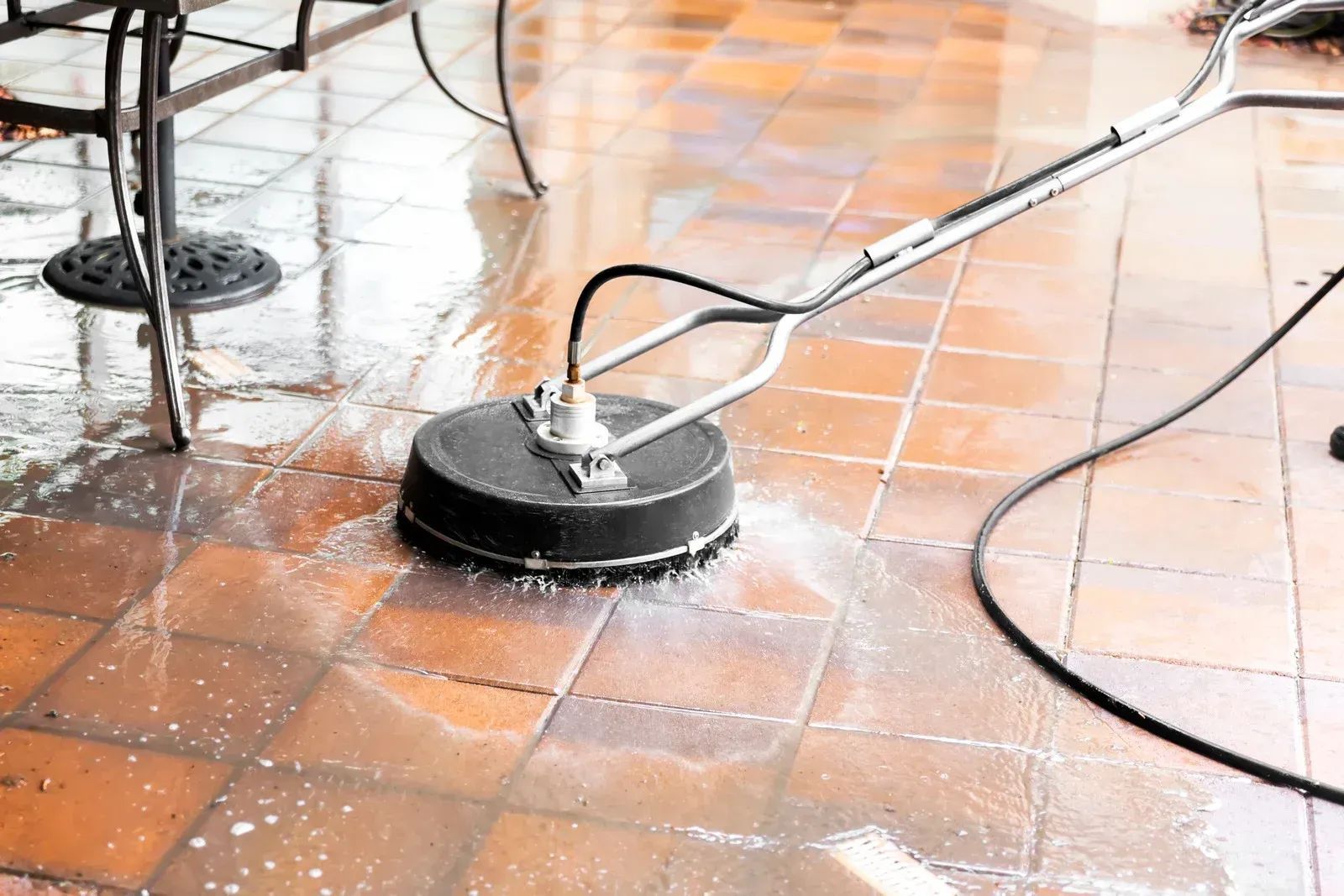
Warning: Paver patios and walkways are the exception inside this exception. The joints between individual pavers are typically filled with polymeric sand that takes a full day or more to cure, and a direct pressure stream aimed into those joints can blow the sand out in seconds. Once the sand is gone, the pavers can shift underfoot and weeds move into the open joints quickly during a Tucson growing season, so paver joints get a soft wash even though the pavers themselves could technically take more.
Stamped or colored concrete carries a sealer on top of the slab, and that sealer behaves more like a coating than like bare concrete, which means it responds better to a gentler wash than the uncoated concrete next to it would.
The Two Parts: Bodily Injury and Property Damage
Auto liability coverage generally comes in two parts, and knowing the difference clarifies what it covers.
Bodily injury liability
This part covers injuries you cause to other people in an at-fault accident, the other driver, their passengers, pedestrians. If you injure someone in an accident that's your fault, bodily injury liability responds to help cover the costs related to their injuries, up to your limits. It's the "harm to other people" side of liability.
Property damage liability
This part covers damage you cause to other people's property in an at-fault accident, most commonly their vehicle, but also things like fences, buildings, or other property you might hit. If you damage someone else's property, property damage liability helps cover that, up to your limits. It's the "harm to others' property" side.
Together, these two, bodily injury and property damage liability, cover the injuries and property damage you cause to others when you're at fault. Policies express these as limits (the maximum the coverage will pay), which is part of why understanding your specific coverage matters, but the what is consistent: liability covers others' injuries and others' property when the accident is your fault. That two-part structure is the heart of liability coverage.
The long-term benefits of sealing apply anywhere, but in a hot, dusty, hard-water desert climate with intense sun and heavy seasonal rain, the case is even stronger, because the conditions here are hard on concrete.
Start with the sun: relentless, intense sun beats down on exterior concrete year-round, driving the fading and surface wear a sealer helps guard against. Then the dust and grit, ever-present in the desert, that grind into surfaces and wear them over time. Add hard water, from irrigation, hoses, and washing, which can leave mineral deposits and staining on unprotected concrete. And then the monsoon rains: after long dry stretches, concrete gets hit with heavy, sudden rain, and unsealed, porous concrete soaks that moisture right in, exactly the kind of water intrusion that leads to long-term damage.
So the desert throws sun, dust, hard water, and seasonal downpours at your concrete, and each is something sealing helps defend against. That's why sealing is especially worthwhile here: the environment accelerates the wear and staining that sealer protects against, so the protection does more work and the payoff is greater. Unsealed concrete in these conditions tends to stain, fade, dust, and deteriorate faster, while sealed concrete stands up to the desert far better over the years. If your driveway, patio, or walkway lives under desert sun and monsoon rain, sealing isn't just nice to have, it's real protection against a genuinely tough environment.
Why It Matters Even More in the Desert
Warning: Leaving concrete unsealed in a harsh desert climate lets the sun, dust, hard water, and monsoon rains work on it unchecked, and the damage tends to be gradual and permanent: stains set deep and won't scrub out, the surface fades, dusts, and pits, and absorbed moisture can lead to cracking and deterioration that only worsens. By the time it's obvious, much of it can't simply be cleaned away, it's baked and soaked in. Sealing (on clean concrete, and refreshed over time) is far easier and more effective as prevention than trying to undo years of accumulated damage after the fact.
Reading Your Property's Own Desert Buildup
The clearest way to tell which method a surface needs is to look at what is actually causing the buildup in the first place. A chalky white residue on siding or around a hose bib usually points to hard water mineral deposits, which a soft wash's cleaning solution dissolves more reliably than raw pressure scrubs it off. A gray or greenish film concentrated on a north-facing wall, under a roof overhang, or beneath a shaded pergola is almost always algae or mildew feeding on trapped moisture, and it responds the same way, chemically rather than mechanically. A fine, even layer of dust across everything after a windy stretch ahead of monsoon season is the one case where either method can work, since dust alone has not bonded to the surface the way organic growth or mineral deposits do.
Reading the buildup this way, surface by surface, before deciding how to clean it is what keeps a single afternoon of exterior cleaning from turning into a stucco repair, a re-stain job on the deck, or a paver relay project a few weeks later.
Frequently Asked Questions
Is soft washing strong enough to actually remove algae and mildew, or does it just cover it up?
Soft washing kills algae and mildew chemically, removing organic growth completely. Pressure washing only strips visible growth, leaving living spores in porous materials that return within a season. Soft washing directly addresses the growth itself.
Can a pressure washer just be turned down to a lower setting instead of switching methods entirely?
Reducing PSI lowers force but does not add cleaning solution. Pressure relies purely on mechanical force, not chemistry. On stucco and wood, even reduced pressure exceeds material tolerance. Soft wash is a different process entirely.
How can I tell if a surface has already been damaged by a pressure wash in the past?
Look for uneven streaky patterns showing inconsistent wand distance. On wood, fuzzy or splintered texture where the surface was smooth indicates damage. On stucco, hairline cracks from corners or windows show past pressure wash damage.
Do all the surfaces on a single property need to be soft washed, or is a mixed approach normal?
A mixed approach is the standard for most Oro Valley properties. Soft wash sensitive surfaces like stucco and roofing while pressure washing concrete and hardscape. Treating everything with one setting usually causes unnecessary, avoidable damage.
How often do stucco, roofing, decking, and screens need a soft wash in this climate?
Most Tucson properties need one to three soft washes yearly, with higher frequency near desert lots, shade, or unpaved roads where dust and growth accumulate faster. Streaking within months indicates specific moisture or shade issues.
Does a soft wash leave any residue behind on delicate surfaces?
A properly rinsed soft wash leaves no solution behind. The solution breaks down growth, given time to work, then rinsed gently to clear residue completely. It takes longer than pressure washing but uses less force.
Knowing Your Surfaces Keeps Cleaning Simple
The difference between a clean exterior and one that needs repair work after cleaning comes down to a single choice: matching the method to what the surface is actually made of. A pressure washer in the hands of someone who knows when to use it is a powerful tool. In the hands of someone who uses it everywhere, it becomes expensive in ways that do not show up in the service bill. Stucco, wood, roofing, screens, and mortar joints all tell you what they can handle if you take a moment to look at them first, and that moment of attention is what keeps an afternoon of cleaning from becoming a week of repairs.
The desert environment around Oro Valley, AZ, makes this choice matter even more than it would in a milder climate, since the combination of sun, dust, hard water, and monsoon cycles already pushes these surfaces toward their limits. Monsoon Cleaning LLC
has spent 15
years seeing what happens when the wrong method meets the wrong surface in this specific climate, and the pattern is always the same:
soft washing
the sensitive surfaces protects them, pressure washing the concrete keeps it clean, and mixing the two approaches gives a property the clean it actually needs without the cost that follows careless choices.