Why Does Mold and Mildew Removal Require Professional Soft Washing?
Mold and mildew are not just cosmetic problems. They are biological threats that spread silently across rooftops, siding, driveways, and exterior walls, feeding on moisture and organic debris. For homeowners and property managers in humid or monsoon-prone climates, these growths can escalate from surface stains to structural damage in a matter of months. The challenge is not just removing what is visible but addressing the root of the problem at a microscopic level that standard garden hoses and household cleaners simply cannot reach.
Soft washing has emerged as the most reliable method for eliminating mold and mildew from exterior surfaces without causing the surface damage that high-pressure washing can produce. Unlike pressure washing, soft washing applies low-pressure water combined with professional-grade cleaning solutions that penetrate deep into porous surfaces, killing organisms at their source. Understanding why this process demands professional execution rather than a DIY approach is critical for anyone serious about protecting their property investment and maintaining a healthy living environment.
Understanding Mold and Mildew on Exterior Surfaces
What Mold and Mildew Actually Are
Mold and mildew belong to the fungi family and thrive in environments where moisture, warmth, and organic matter converge. On exterior surfaces, they appear as dark streaks, green patches, or powdery white films. What most people see on their roof or siding is only the surface layer. The root structures, called hyphae, extend deep into porous materials like asphalt shingles, wood siding, stucco, and concrete.
Mildew tends to grow flat on surfaces and is easier to address in its early stages. Mold, however, penetrates deeper and spreads faster, particularly in climates that experience seasonal rain, high humidity, or sudden temperature shifts. Left untreated, both organisms degrade surface integrity, accelerate material breakdown, and can create indoor air quality issues when spores migrate through gaps in walls and rooflines.
Why Surface Cleaning Alone Does Not Work
Scrubbing with a brush or running a pressure washer over affected areas removes the visible layer but leaves the biological root system intact. Within weeks, regrowth begins from the same point. Bleach applied without the proper dwell time, dilution ratio, or surfactant chemistry fails to kill the full colony. Professional soft washing addresses the full biological life cycle of the organism, not just its visual presence.
How Soft Washing Differs From Pressure Washing
The Science Behind Low-Pressure Application
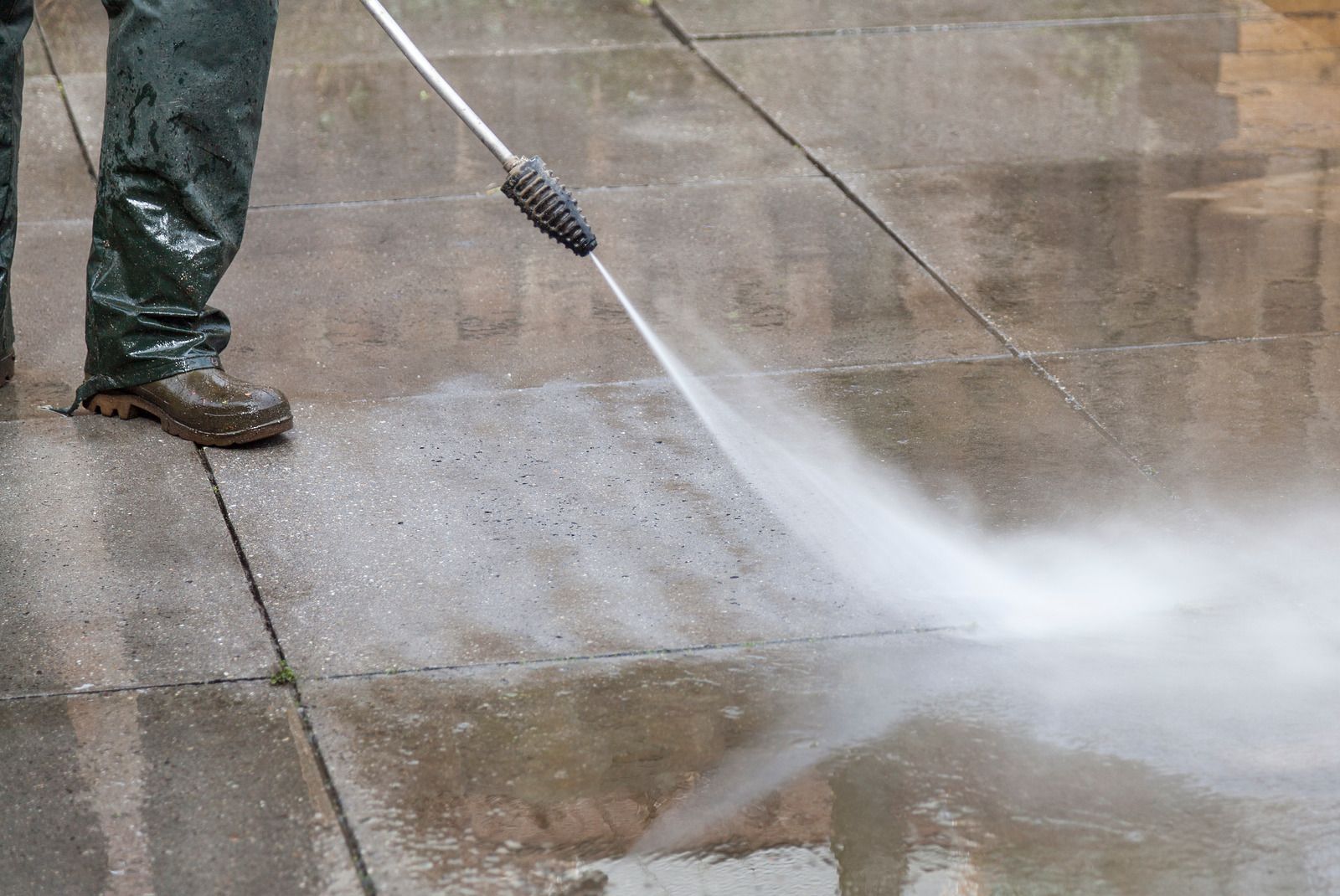
Soft washing operates at pressures typically between 60 and 500 PSI, compared to pressure washing systems that operate between 1,500 and 4,000 PSI or higher. The cleaning power in soft washing comes from the chemical solution, not the water pressure. This distinction is fundamental. High-pressure water can strip granules from asphalt shingles, crack grout, gouge wood grain, and force water behind siding where it creates additional moisture problems.
Soft washing uses a carefully calibrated blend of surfactants, fungicides, and algaecides that work at the molecular level. The solution is applied in a controlled manner, allowed to dwell on the surface, and then rinsed away gently. This process does not damage the substrate while still achieving deep microbial elimination.
Surface Compatibility and Material Safety
Different exterior materials require different chemical concentrations and application techniques. Roof shingles, painted wood, vinyl siding, brick, stucco, and composite materials each respond differently to cleaning agents and water pressure. A professional soft washing technician evaluates the surface material before selecting the appropriate solution strength and application method. Mixing the wrong chemical concentration with a pressure washing approach on painted cedar siding, for example, can result in paint stripping, wood grain damage, and moisture infiltration that costs far more to repair than the original cleaning job.
Why Professional Application Is Non-Negotiable
- Chemical Handling and Safety Protocols:- The cleaning solutions used in professional soft washing are not consumer-grade products. Sodium hypochlorite, quaternary ammonium compounds, and specialized surfactants require proper handling, dilution, and disposal. Improper mixing can create hazardous chemical reactions. Runoff from these solutions must be managed carefully to avoid damage to landscaping, drainage systems, and neighboring surfaces. Professionals use neutralizing agents and protective measures to prevent chemical damage to plants and surrounding areas during and after application.
- Equipment Calibration and Coverage Control:- Professional-grade soft washing rigs include variable pressure controls, chemical injection systems, and long-reach application equipment that ensures uniform coverage across large surface areas. Uneven application leaves dry spots where mold colonies survive and rebound. Professionals also treat adjacent surfaces and areas where mold spores may have migrated, providing a more complete remediation rather than spot treatment.
- Liability and Property Protection:- Hiring a professional soft washing service means working with a licensed, insured contractor. DIY mold removal attempts on a roof or two-story siding present real fall risks and the potential for significant property damage. If a DIY cleaning effort causes roof damage or strips exterior paint, the repair burden falls entirely on the homeowner. Professional services carry general liability insurance and workmanship guarantees that protect the property owner from these risks.
The Role of Soft Washing in Long-Term Property Maintenance
Preventing Structural Damage Before It Starts
Mold and mildew do not just look bad. They actively break down the materials they colonize. On asphalt roofs, algae and mold loosen the granule coating that protects shingles from UV degradation. On wood siding, fungal penetration accelerates rot. On concrete and masonry, moisture retained by biological growth causes freeze-thaw cracking in colder climates. Regular professional soft washing removes these organisms before they cause irreversible structural damage, extending the service life of roofing, siding, and hardscape surfaces by years.
Maintaining Curb Appeal and Property Value
Properties with visible mold and mildew streaking signal neglect to prospective buyers, tenants, and neighbors. Real estate professionals consistently note that exterior cleanliness has a direct impact on first impressions and perceived property value. A professionally soft-washed exterior presents a well-maintained appearance that supports stronger market valuations and positive community standing.
The Right Frequency for Soft Washing
In climates with regular rainfall and warm temperatures, professional soft washing on an annual or biannual schedule keeps mold and mildew populations suppressed before they reach damaging levels. Properties near trees or bodies of water, which provide constant moisture and organic debris, benefit from more frequent attention. A professional service can assess the specific conditions of a property and recommend a maintenance schedule that matches the local environment.
Common Mistakes Homeowners Make With Mold Removal
Using the Wrong Products
Many homeowners reach for consumer bleach products without understanding that concentration, dwell time, and application method determine whether the treatment is lethal to the organism or simply cosmetic. Diluted bleach applied without a proper surfactant will bead off hydrophobic surfaces before it has a chance to work. Overconcentrated solutions damage paint, landscaping, and certain roofing materials.
Ignoring the Source of Moisture
Mold removal without addressing the underlying moisture source leads to rapid regrowth. Blocked gutters, poor drainage, failing caulk around windows, and inadequate roof ventilation all create the wet conditions that mold requires. A professional soft washing service identifies these contributing factors during the cleaning process and flags them for repair. Treating the symptom without correcting the cause is a cycle that wastes time and money.
Waiting Too Long to Act
The longer mold and mildew remain on a surface, the deeper the root system grows and the harder complete removal becomes. Property owners who delay treatment because the staining looks minor often find that what began as surface discoloration has become embedded biological damage that requires more aggressive remediation. Early intervention with professional soft washing keeps removal straightforward and prevents the situation from escalating.
Reliable Experts Committed to Protecting Your Property Always
Mold and mildew removal is a technical process that goes far beyond surface cleaning. The biology of fungal growth, the chemistry required to eliminate it, the material sensitivity of exterior surfaces, and the safety demands of working on rooftops and tall siding all point to one conclusion: professional soft washing is the appropriate and reliable solution. DIY approaches address the visible symptoms while leaving the problem intact. Professional soft washing eliminates mold and mildew at the root, protects the integrity of the materials being treated, and provides lasting results that keep properties clean and structurally sound. When mold and mildew take hold on your property, the response needs to be methodical, chemically sound, and executed with the right equipment by trained hands. That standard is what separates a genuine remediation from a temporary fix.
Monsoon Cleaning LLC has served residential and commercial property owners in Oro Valley, Arizona for 15 years, building a reputation grounded in technical knowledge and honest workmanship. We specialize in professional pressure washing services with a deep focus on soft washing applications for mold, mildew, algae, and biological stain removal across roofing, siding, concrete, and hardscape surfaces. Our approach is built on understanding the specific demands of the Arizona climate, where monsoon season creates ideal conditions for rapid mold and mildew growth on exterior surfaces. We use professional-grade cleaning solutions calibrated for each surface type and apply them with equipment designed for precision coverage and substrate safety. Every job we complete is backed by our commitment to doing the work correctly rather than quickly, protecting both the surfaces we clean and the properties that surround them. When exterior mold and mildew become a concern, we bring the expertise, equipment, and chemical knowledge to resolve the problem fully. Oro Valley property owners trust us because our results speak for themselves after 15 years in the field.
FAQs
Q1. Is soft washing safe for all exterior surfaces?
Soft washing is safe for most exterior surfaces including roofing, siding, stucco, brick, and concrete when applied at the correct pressure and chemical concentration. A professional assessment of the surface material is always recommended before treatment begins.
Q2. How long do soft washing results last on mold and mildew?
Results typically last between one and three years depending on the local climate, surrounding vegetation, and moisture exposure. Properties in high-humidity or heavily treed environments may benefit from annual soft washing to maintain clean surfaces.
Q3. Can soft washing remove black streaks caused by algae on roofs?
Yes. The black streaks commonly seen on asphalt shingle roofs are caused by a type of algae called Gloeocapsa magma. Professional soft washing with the appropriate chemical solution removes these streaks without damaging the shingle granule coating.
Q4. Is it necessary to leave the property during a soft washing treatment?
In most cases, it is not necessary to vacate the property. However, windows and doors should be closed, and pets and children should be kept away from the treatment area until the solution has been rinsed and the surfaces have dried.
Q5. What is the difference between mold removal and mold remediation?
Mold removal refers to cleaning mold from exterior surfaces, which soft washing addresses. Mold remediation is a broader process that includes structural treatment, air quality testing, and containment measures typically required when mold has penetrated interior spaces. Both require professional handling for complete resolution.