Soft Washing vs. Pressure Washing: Understanding the Key Differences
Exterior surfaces naturally accumulate dirt, algae, mold, mildew, and environmental buildup over time. Maintaining these surfaces requires more than basic cleaning, especially when dealing with roofs, siding, driveways, and delicate exterior materials. In professional exterior cleaning, two primary methods are widely used: soft washing and pressure washing. While both aim to restore cleanliness and curb appeal, the techniques, equipment, and outcomes differ significantly. These differences directly impact the safety and effectiveness of the cleaning process. Understanding them helps ensure surfaces are treated with the appropriate care and precision.
Understanding the distinction between these methods is essential for protecting property surfaces and achieving long-lasting cleaning results. Using the wrong approach can lead to surface damage, reduced material lifespan, or incomplete cleaning. That is why choosing the correct cleaning strategy plays a vital role in exterior maintenance planning and property care. It also helps prevent unnecessary repair costs caused by improper cleaning techniques. Over time, the right method contributes to preserving both appearance and structural integrity.
This guide breaks down the core differences between soft washing and pressure washing in a clear, practical manner. It highlights how each method works, where each is most effective, and what factors determine the right choice for different surfaces. With the right knowledge, better decisions can be made for safer cleaning, improved results, and long-term surface protection across residential and commercial properties. Additionally, understanding these methods can help property owners communicate more effectively with service professionals. It also ensures expectations are aligned with the most suitable cleaning outcomes.
Understanding Exterior Cleaning Fundamentals
Understanding Exterior Cleaning Fundamentals
Exterior cleaning involves more than simple washing; it requires understanding materials, conditions, and appropriate techniques. Proper knowledge ensures surfaces are cleaned effectively without causing long-term damage or deterioration.
Surface Sensitivity and Material Behavior
Different exterior materials respond differently to cleaning force and environmental exposure over time. Stucco, vinyl siding, asphalt shingles, wood, and concrete all have unique durability levels and tolerances. Applying high-pressure water to delicate materials can strip coatings, crack surfaces, or force water into unwanted areas, leading to hidden structural issues.
Cleaning Beyond Appearance
Exterior cleaning is not only about visual improvement and enhancing curb appeal. It also involves removing biological growth such as algae, mold, mildew, and bacteria that can degrade surfaces over time. Effective cleaning requires balancing force and chemical treatment depending on contamination levels, surface condition, and environmental factors.
Soft Washing: Controlled, Chemical-Based Cleaning
How Soft Washing Works
Soft washing relies on low-pressure water combined with specialized biodegradable cleaning solutions designed for exterior use. Instead of force, it uses chemistry to break down organic buildup at a molecular level for deeper cleaning. The solution is applied gently, allowed to dwell properly, and then rinsed away at low pressure to avoid damage.
Ideal Applications for Soft Washing
Soft washing is highly effective on a wide range of delicate exterior surfaces, including:
- Roof shingles
- Painted siding
- Wood panels
- Stucco surfaces
- Delicate exterior finishes and coated materials
These surfaces require gentle treatment to avoid structural or cosmetic damage during the cleaning process.
Benefits of Soft Washing
Soft washing provides long-term cleanliness because it targets root causes of organic growth rather than just surface stains. Algae and mildew are not just removed but neutralized at their source. This leads to slower regrowth compared to mechanical cleaning methods, reducing the frequency of maintenance.
Best Practices for Effective Soft Washing
Proper dilution ratios, controlled application time, and even coverage are essential for optimal results and safety. Over-application of chemicals can lead to residue buildup and potential surface discoloration, while under-application reduces effectiveness significantly. Precision and consistency are critical for safe, reliable, and professional results.
Pressure Washing: High-Impact Surface Cleaning
How Pressure Washing Works
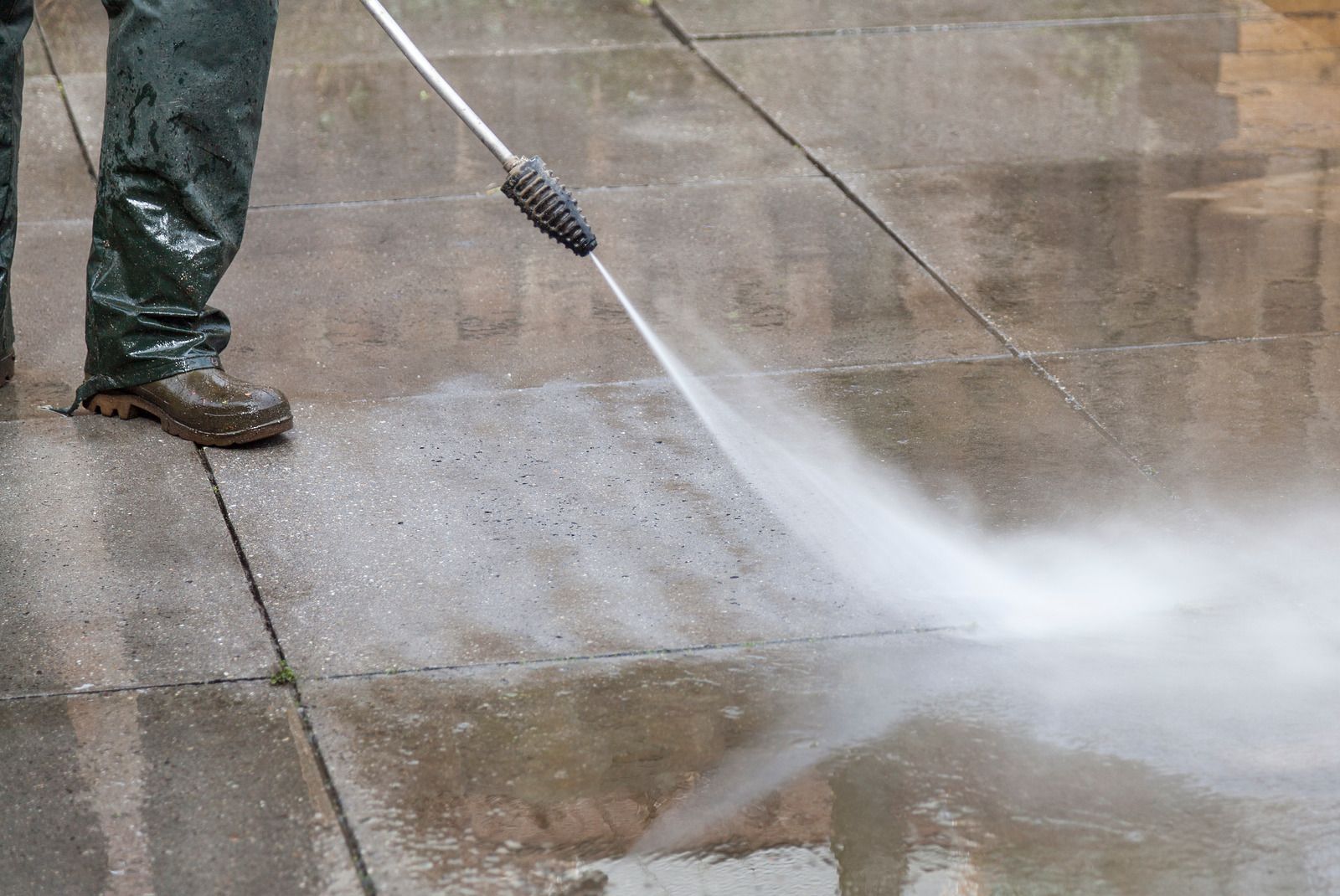
Pressure washing uses high-pressure water streams to physically remove dirt, grime, grease, and stubborn stains from exterior surfaces. The force of water dislodges buildup from hard surfaces without relying heavily on chemical solutions, making it efficient for certain applications.
Ideal Applications for Pressure Washing
Pressure washing is best suited for strong, durable surfaces that can handle intense force, including:
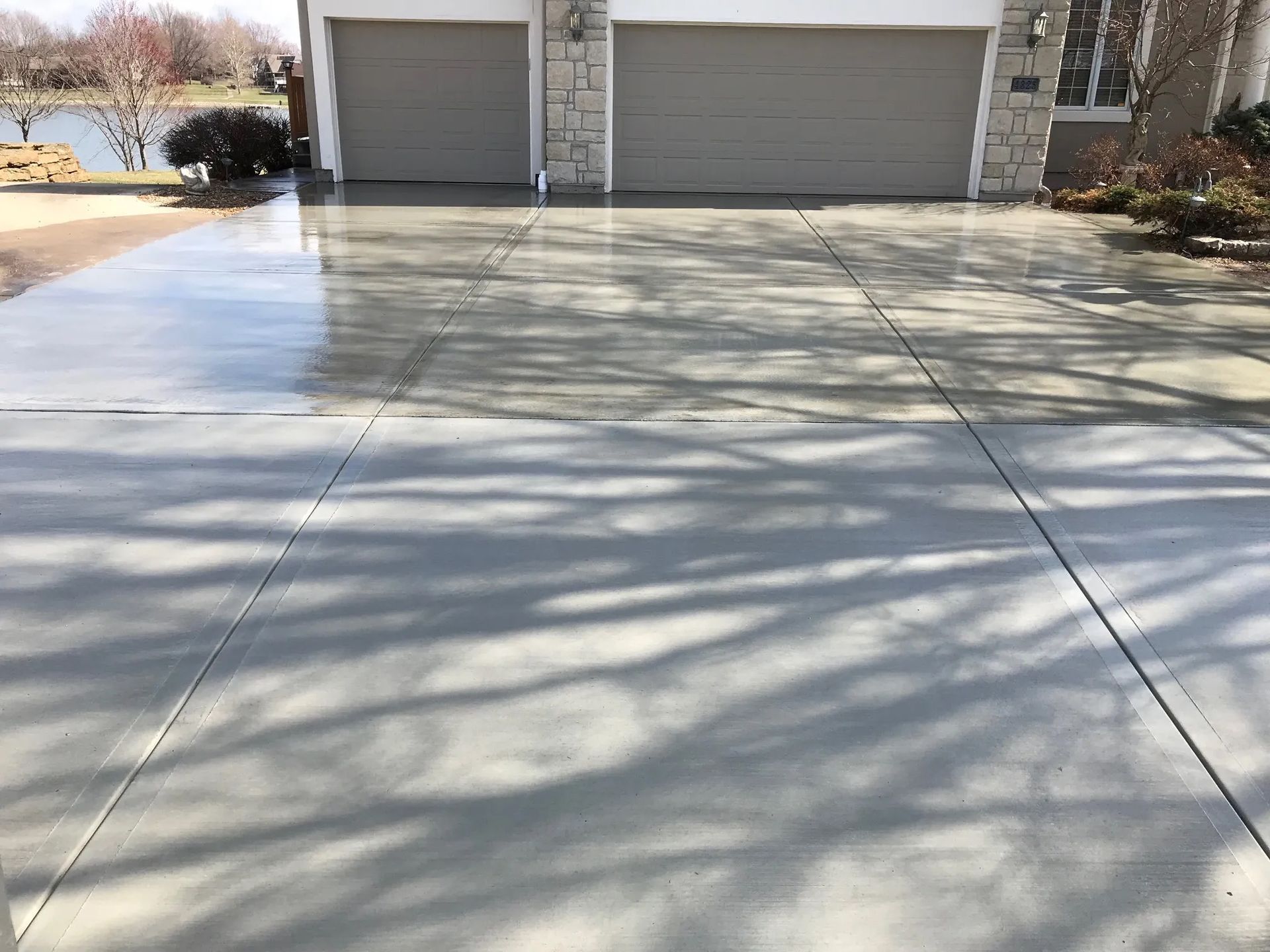
- Concrete driveways
- Sidewalks and walkways
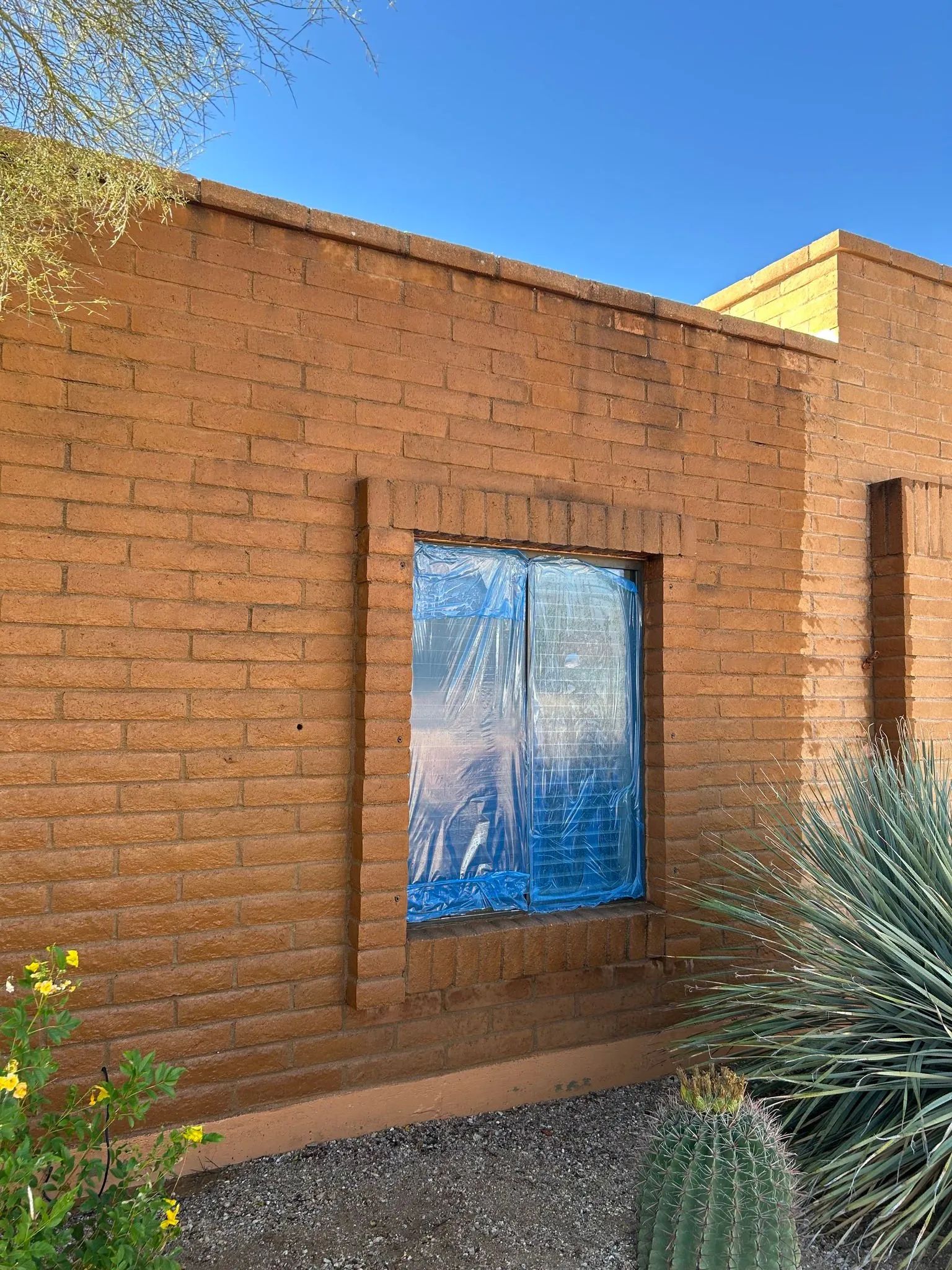
- Brick walls
- Stone patios
- Metal and industrial surfaces
These materials can withstand high force without structural damage when handled properly.
Benefits of Pressure Washing
Pressure washing delivers fast, noticeable, and highly visible results across large areas. Heavy stains, mud, grease, and embedded dirt are removed efficiently with minimal time investment. It is especially useful for high-traffic areas that accumulate stubborn debris and surface contamination.
Risks and Limitations
Excessive pressure can cause surface etching, paint removal, and water intrusion into cracks or joints. Incorrect nozzle selection, spray angle, or distance can significantly damage surfaces and reduce their lifespan. Proper calibration and operator experience are essential for safe and effective operation.
Key Differences Between Soft Washing and Pressure Washing
Cleaning Mechanism
Soft washing depends on chemical breakdown of contaminants for deep and lasting cleaning results. Pressure washing relies on mechanical force to remove dirt and debris quickly from surfaces. One targets biological growth at its source, while the other removes surface-level buildup effectively.
Surface Compatibility
Soft washing is designed for fragile and sensitive surfaces that require careful handling. Pressure washing is intended for durable, hard materials that can tolerate high-pressure cleaning. Selecting the wrong method can lead to costly repairs and irreversible damage.
Longevity of Results
Soft washing often provides longer-lasting results because it neutralizes organic growth at its root level. Pressure washing removes visible dirt but may not eliminate underlying spores or bacteria completely. This can result in faster regrowth in certain environmental conditions.
Water Pressure Levels
Soft washing uses low pressure similar to a standard garden hose system. Pressure washing can exceed thousands of PSI, making it significantly more powerful but also less forgiving. This difference plays a major role in determining the appropriate cleaning method.
Chemical Usage
Soft washing involves cleaning agents that enhance effectiveness and improve long-term results. Pressure washing may use minimal or no chemicals depending on the job requirements. The choice depends on the type of contamination and surface condition.
Choosing the Right Method for the Job
Evaluating Surface Condition
Surface age, material type, and contamination level determine the correct cleaning approach for optimal results. Older or more fragile surfaces benefit from gentler methods to prevent damage. Heavily soiled hardscapes may require high-pressure cleaning for effective restoration.
Environmental Considerations
Runoff management and chemical usage must be carefully considered during the cleaning process. Soft washing requires controlled chemical application to prevent environmental harm. Pressure washing uses higher water volumes that may affect drainage systems and surrounding areas.
Safety and Efficiency Factors
Safety includes both surface protection and operator control during cleaning operations. Proper training, equipment handling, and protective measures ensure effective cleaning without unintended damage. Efficiency also depends on selecting the correct method for each surface type.
Combining Both Methods
In many cases, a hybrid approach delivers optimal and comprehensive cleaning results. Soft washing can treat organic growth at its root level effectively. Pressure washing restores hard surfaces for a complete and balanced exterior transformation.
Maintenance and Long-Term Care Strategies
Routine Cleaning Intervals
Regular maintenance reduces buildup and minimizes the need for aggressive cleaning methods over time. Scheduling seasonal cleanings helps maintain surface integrity and appearance. Consistent care also extends the lifespan of exterior materials significantly.
Preventative Treatments
Applying protective treatments after cleaning can slow algae regrowth and extend surface cleanliness. This is especially useful for humid, shaded, or moisture-prone areas. Preventative care reduces future maintenance costs and improves long-term results.
Monitoring Surface Wear
Continuous inspection helps identify early signs of wear, discoloration, or biological growth before they worsen. Early intervention prevents costly restoration work and structural damage later. Regular monitoring ensures surfaces remain in optimal condition year-round.
Proven Exterior Maintenance Strategies For Lasting Results
Soft washing and pressure washing both serve essential roles in exterior maintenance, yet each method is designed for distinct surface conditions and cleaning goals. Soft washing emphasizes chemical treatment and gentle application for delicate materials, while pressure washing delivers powerful mechanical cleaning for durable surfaces. Selecting the correct method ensures safety, efficiency, and long-term protection of exterior structures. Proper understanding of these techniques allows better decision-making when addressing residential or commercial cleaning needs. Surface compatibility, contamination type, and maintenance goals all influence the ideal approach. When applied correctly, both methods enhance curb appeal and extend surface lifespan.
Monsoon Cleaning LLC, based in Oro Valley, Arizona, brings 15
years of dedicated experience in professional exterior cleaning solutions. Consistent focus on safe techniques, advanced equipment, and surface-specific treatment methods ensures reliable results across a wide range of residential and commercial projects. Every project is approached with precision, emphasizing both surface protection and long-term cleanliness. Strong industry knowledge combined with hands-on expertise allows us to handle complex cleaning challenges with confidence. From delicate roofing materials requiring soft washing to heavily soiled hard surfaces needing pressure washing, every service is executed with attention to detail and safety. Commitment to quality workmanship and customer-focused service ensures dependable outcomes that enhance property appearance and durability over time.